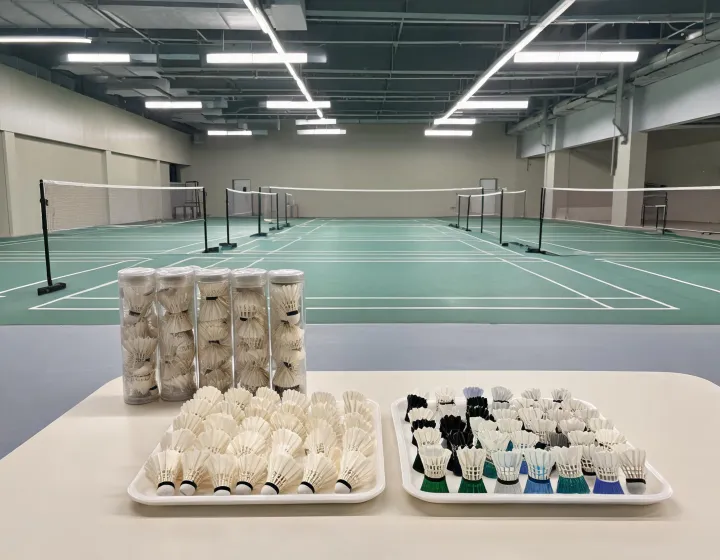
Indoor badminton club setup

Applications

Shuttlecock wholesale for defined buyer uses

Turn club, school and retail requirements into separate specification lines. A practice request, a match-use request and a shelf-ready retail pack may need different sample checks even when each is described as a badminton shuttle.

Send your application brief
  • Which play environment?
  • Which user group?
  • Which order objective?

Start from the receiving program

Indoor badminton procurement → branch by users and order objective

Club players → practice or match allocation

Separate routine coaching consumption from scheduled match allocation. Ask the club to state feather or nylon, desired speed designation and the hall conditions under which samples will be reviewed. Record the coach's approval alongside the sample identifier.

Keep replacement frequency as a buyer planning assumption. A supplier's retail durability description cannot establish cost per session for your players. Compare the same sample-review approach and pack basis before discussing possible substitutions.

Student groups → class distribution

Give the intended sport and competition level, class distribution quantities and storage needs. The purchasing team can request manageable packs and an outer-carton identification plan without assuming a specific pack is offered by every factory.

An illustrative requirement of 24 class packs at 12 pieces each means 288 pieces. Confirm whether the supplier's quoted quantity counts pieces, dozens or tubes; that conversion is part of the brief, not an implied current offer.

Retail customers → shelf-ready assortment

Identify the retail selling unit, private-label artwork, tube count, carton dimensions and receiving destination. A custom tube may create approval or print charges that a neutral pack does not have, so compare these costs separately.

Preserve construction and speed variants as distinct lines. Request carton gross weight, packaging photographs and proposed labeling before using a freight estimate for purchasing decisions. Missing logistics data should remain visible.

Take the selected route to an RFQ

Track the application through four records

  1. Use specification
  2. Supplier quotation
  3. Buyer sample record
  4. Shipment pack documents

Status: requested / supplied / reviewed. The chain describes records to connect, not completed verification.

Feather versus nylon

Compare material and construction, sample feel, intended use and buyer-approved flight observations. A lower-priced construction may be acceptable for one program and unacceptable for another; neither material name establishes suitability or performance by itself.

Unit price versus received scope

Normalize pack ratio, currency, printing, freight inclusions and destination charges. The cheaper tube can contain fewer pieces or exclude delivery. Any exact-item test evidence must identify the proposal; a family-level statement cannot close the approval decision.

Use the item review matrix
  1. 1 / Select the buying route
  2. 2 / List acceptance questions
  3. 3 / Submit the receiving plan

Describe the program before the price target

Give the receiving use, quantities, US destination and required timing. Then state your optional budget, currency and whether it covers a piece or the order. Review the product options, supplier workflow or procurement brief.

State required specifications, quantity, destination and delivery timing. Unknown details can be marked for confirmation; a real supplier quote is not required to start.

Read the Privacy Policy before submitting business and procurement information.